Impact Minds 2026 · Manaus, Brasil · September 9 - 11
practical information
arrival information
Passport
The passport must be valid for at least 6 months from the date of entry into Brazil. It is recommended to have at least one blank page. Most visitors may stay in the country for up to 90 days.
Vaccinations
The yellow fever vaccine is recommended for travel to the Amazon region. Some airlines or countries may require the International Certificate of Vaccination.
Visa
Brazil has different visa requirements depending on nationality. We recommend checking the specific requirements on the official Brazilian government website or at the nearest Brazilian consulate.
Currency
The official currency of Brazil is the Real (BRL). Credit and debit cards are widely accepted, especially Visa and Mastercard.
logistics
How to get there
Eduardo Gomes International Airport (MAO)
IATA Code: MAO
Manaus has an International Airport.
The airport is located approximately 14 km from downtown Manaus. It is the main hub in Brazil’s Northern region and the gateway to the Amazon.
Direct flights are available, but with variable weekly frequency — it is important to check in advance when planning your trip.
If there is no direct flight on your desired date, there are connection options through major hubs such as Panama (Copa), Bogotá (Avianca), or domestic connections within Brazil (via São Paulo or Rio).
Direct flights:
Miami
Bogotá
Panamá
Brazilian cities for domestic flights:
São Paulo
Rio de Janeiro
Brasília
where to stay
Hotel Recommendations
Mercure Manaus
Hotel Boutique Casa Teatro
Juma Ópera
Novotel Manaus
Quality Manaus
Hotel Villa Amazônia
tourism
What to do in Manaus
Amazon Theatre
A city icon and one of the most important theatres in Brazil. A guided tour is highly recommended.
Adolpho Lisboa Municipal Market
Located on the banks of the Rio Negro, it is the perfect place to taste regional flavors such as Amazonian fruits, fresh fish, spices, and local handicrafts.
Amazon Museum (MUSA)
An immersive experience about biodiversity, science, and the peoples of the rainforest.
Historic Center
Walk around the Largo São Sebastião area and discover markets, museums, and historic architecture.
Natural phenomena
The Meeting of the Waters
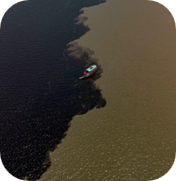
In Manaus, one of the most impressive natural phenomena in the Amazon takes place: the Meeting of the Waters, where the Negro and Solimões rivers flow side by side for several kilometers without mixing. The contrast between the dark waters of the Negro River and the muddy waters of the Solimões River reveals the strength, diversity, and uniqueness of the region.
Amazonian Flavors
Gastronomy
Local cuisine is an invitation to discover the Amazon through taste.
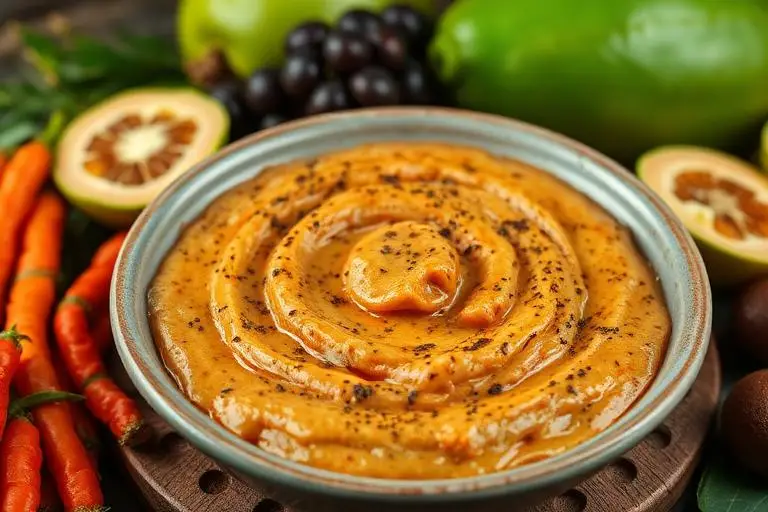
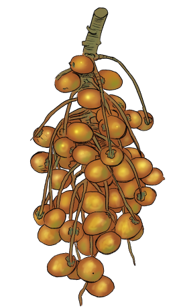
Try Amazonian ingredients such as tucupi, jambu, pirarucu, cupuaçu, and açaí, which reflect the richness and diversity of the region.
Local restaurants offer contemporary reinterpretations of Amazonian cuisine, combining tradition, creativity, and identity.
Vivalá is a leading organization in sustainable tourism and positive socio-environmental impact programs, serving individual travelers as well as some of Brazil’s largest organizations through initiatives focused on innovation, the bioeconomy, technology, traditional cultures, and social responsibility. Its experiences are designed to transform the way people connect with and experience Brazil.Today, Vivalá operates 30 community-based experiences across the Amazon, Cerrado, Caatinga, Atlantic Forest, Pampa, and Pantanal biomes, working alongside more than 1,600 local families.
Vivalá is a 100% carbon-neutral operation and a Certified B Corporation, holding the highest B Corp score in Brazil’s tourism sector and the seventh-highest globally. As of June 2026, Vivalá had welcomed more than 6,000 travelers and generated over BRL 9 million for local economies through the purchase of community-based services.